What will you learn

Skills and knowledge you will gain after completing this course:

  • Foundation Knowledge: Define stress and anxiety, identifying their biological, psychological, and situational causes and understanding how they manifest in physical and behavioural symptoms.

  • Classification & Triggers:Differentiate between various types of anxiety, including generalised anxiety, social anxiety, specific phobias, Post-Traumatic Stress Disorder (PTSD), and Obsessive-Compulsive Disorder (OCD).

  • Cognitive Techniques: Apply core principles of Cognitive Behavioural Therapy (CBT) to identify and restructure negative thought patterns that fuel stress and anxiety.

  • Practical Strategies:Master a repertoire of evidence-based relaxation and grounding methods, including mindful breathing, muscle relaxation, guided visualisation, and journaling.

  • Holistic Wellbeing:Understand the pivotal role of lifestyle factors—such as nutrition, sleep hygiene, and gentle movement—in building long-term emotional resilience.

  • Support & Communication:Develop effective interpersonal and communication skills necessary for providing compassionate and structured support to clients, colleagues, or friends struggling with stress.

Course curriculum

    1. About the Instructor

    2. About the Course

    1. What is ‘Stress’?

    2. How does ‘stress’ affect us?

    3. Why do we experience ‘stress’ differently?

    4. ‘Good stress’ (Eustress) Vs ‘Bad stress’ (Distress)

    5. ‘Stress’ and ‘Burnout’

    1. Coping with stress as an individual

    2. Low ability (inability) to cope with stressors

    3. What do people use to cope with stress?

    4. ‘Addictions’ and Coping with ‘Stress’

    1. ‘Breathing’ in Stress Management

    2. Stress-Reducing Techniques

    3. Medication Treatments (Pharmacology) – Part 1

    4. Medication Treatments (Pharmacology) – Part 2

    5. Nutrition and ‘Stress’ – Part 1

    6. Nutrition and ‘Stress’ – Part 2

    1. What do we call ‘anxiety’?

    2. What is the difference between ‘stress’ and ‘anxiety’?

    3. When does ‘anxiety’ become an ‘anxiety disorder’?

    1. Generalised Anxiety Disorder (GAD)

    2. Social Anxiety Disorder (Social Phobia)

    3. Panic Disorder

    4. ‘Addictions’ and Anxiety Disorders

About this course

  • £14.99
  • 31 lessons
  • 3.5 hours of video content

Did you know ?

It is estimated that 60–80% of routine doctor’s appointments are stress-related, underscoring the vital need for individuals and professionals equipped with effective management and resilience skills.

You'll learn from

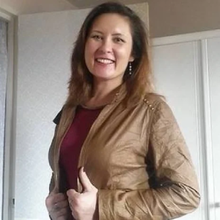
A UK Research Psychologist and international expert in Psychology & Counselling Elmira Strange

Learn from Elmira Strange, MPhil, a seasoned Motivational Psychologist and Certified Life Coach. With a rich background in Research Psychology and lecturing at UK universities, Elmira brings deep expertise in psychology and counselling. Her unique journey, spanning Kazakhstan, Russia, and the UK, coupled with a life-altering experience, fuels her passion for sharing knowledge and empowering others. Her research on stress in families of disabled children highlights her commitment to practical application. As a dedicated online entrepreneur since 2006, she excels blending academic rigour with accessible teaching, ensuring you gain valuable, real-world insights. Elmira's ability to simplify complex psychological concepts makes her an ideal guide for your occupational therapy learning journey.