What will you learn

Skills and knowledge you will gain after completing this course:

  • Identify the symptoms of eating disorders are and how to get diagnosed with ED

  • Find out what drives the person to become addicted to bingeing or purging behaviour

  • Understand why CBT approach is considered to be the best for the treatment of different types of eating disorders

  • Learn about the 'Exposure Technique' and how to use it with your client

  • Design behavioural experiments that can help the client to achieve success in treatment and so much more!

Course curriculum

    1. About the Tutor

    2. About the Course

    1. What is CBT (the CBT model)

    2. NICE guidelines

    3. The therapeutic alliance, Trust and Empathy

    4. Ethics of the therapy

    1. The Psychology & Causations of Eating Disorders

    2. Core Psychopathology of Eating Disorders

    3. Co-morbid psychiatric illness

    4. Social and Family factors

    5. Cognitive factors

    6. Emotional factors

    1. First session – Assessment

    2. Dietary and Nutritional issues

    3. Setting Goals with the client

    4. Motivational factors

    1. Working with Anxiety

    2. The Socratic approach (Socratic questioning)

    3. Psychoeducation

    4. The ‘Exposure’ technique

    5. Cognitive Restructuring

    6. Working with Beliefs (shape, weight, food)

    7. Behavioural Experiments

    1. Designing and Reviewing Action plans

    2. Concluding therapy successfully

    3. Follow up and Relapse Prevention

    4. Follow up and Relapse Prevention

About this course

  • £54.34
  • 28 lessons
  • 2.5 hours of video content

Discover your potential, starting today

Instructor(s)

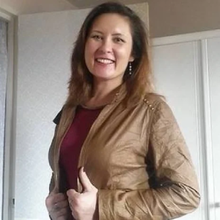
A UK Research Psychologist and international expert in Psychology & Counselling Elmira Strange

Learn from Elmira Strange, MPhil, a seasoned Motivational Psychologist and Certified Life Coach. With a rich background in Research Psychology and lecturing at UK universities, Elmira brings deep expertise in psychology and counselling. Her unique journey, spanning Kazakhstan, Russia, and the UK, coupled with a life-altering experience, fuels her passion for sharing knowledge and empowering others. Her research on stress in families of disabled children highlights her commitment to practical application. As a dedicated online entrepreneur since 2006, she excels blending academic rigour with accessible teaching, ensuring you gain valuable, real-world insights. Elmira's ability to simplify complex psychological concepts makes her an ideal guide for your occupational therapy learning journey.

FAQ

  • What is an eating disorder?

    An eating disorder is a medical condition related to your eating habits. It entails medical examinations of your weight, blood, and body mass index (BMI). An eating disorder is defined as any uncomfortable relationship with food. Not every eating problem is a disorder. Eating disorders are a recognised category of eating disorders.

  • What is the The CBT model of eating disorders?

    The CBT model of eating disorders is based on the premise that how people think about food, eating, and their body image is a key factor in developing and maintaining eating disorders. The model suggests that negative thoughts, beliefs, and attitudes can lead to unhealthy eating behaviours and distorted body image.

  • What is The NICE guidelines?

    The NICE guidelines are a set of evidence-based recommendations for treating eating disorders. The guidelines recommend CBT as the first-line treatment for adults with bulimia nervosa and the treatment for adults with anorexia nervosa. The core psychopathology of eating disorders includes disturbances in body image, fear of weight gain, and preoccupation with food, weight, and shape. These symptoms can lead to significant distress and impairment in daily functioning. Co-morbid psychiatric illness is common among individuals with eating disorders, with conditions such as depression, anxiety, and obsessive-compulsive disorder being particularly prevalent. Effective treatment of eating disorders often involves addressing co-morbid psychiatric illness as well. Overall, the Cognitive Behavioural Therapy for Eating Disorders course provides a comprehensive overview of CBT's key principles and techniques for eating disorders and is a valuable resource for mental health professionals working in this area.

  • Who is this Cognitive Behavioural Therapy for Eating Disorders course for?

    This course is beneficial for:

    Mental Health Professionals - This course is designed for mental health professionals interested in developing their knowledge and skills in treating eating disorders. It covers evidence-based CBT techniques for treating bulimia nervosa and anorexia nervosa and provides practical guidance on how to use these techniques in clinical practice.

    Therapists and Counsellors - The course provides a detailed overview of the CBT model and its application in treating eating disorders. This can be helpful for therapists and counsellors who want to incorporate CBT techniques into their existing practice or those who want to specialise in treating eating disorders.

    Healthcare Professionals - Healthcare professionals who work with individuals with eating disorders, such as dieticians and nurses, can benefit from this course by gaining a deeper understanding of the psychological aspects of eating disorders and how CBT can be used as part of a multidisciplinary treatment approach.

    Students - Students studying psychology, mental health, or related fields can benefit from this course by understanding treating the core principles and techniques of CBT for eating disorders. This can be helpful for those who want to pursue a career in treating eating disorders or related fields.

  • Career Prospects of this course on Cognitive Behavioural Therapy for Eating Disorders:

    Completing the Cognitive Behavioural Therapy for Eating Disorders course by Elmira Strange can open up various career paths for individuals interested in treating eating disorders. Some of the specific career prospects after completing this course include:

    Eating Disorder Therapist/Counsellor - The course provides a comprehensive understanding of the CBT model and its application in treating eating disorders. Upon completing the course, individuals can work as eating disorder therapists or counsellors in private practice, clinics, or hospitals.

    Clinical Psychologist - Clinical psychologists can use the knowledge and skills gained from this course to specialise in treating eating disorders. They can work in various settings, including private practice, hospitals, and mental health clinics.

    Mental Health Nurse - Nurses who complete this course can work as part of a multidisciplinary team in treating eating disorders. They can assist with delivering CBT techniques and support individuals with eating disorders.

    Dietitian - Dietitians can use the knowledge gained from this course to develop a deeper understanding of the psychological aspects of eating disorders. They can work as part of a multidisciplinary team in treating eating disorders, providing nutritional support and guidance.

    Researcher - Individuals who complete this course can use the knowledge and skills gained to conduct research in the field of eating disorders. They can contribute to the development of new treatment approaches and interventions.

    Overall, completing this course can lead to various career prospects for individuals interested in treating eating disorders. The course provides a solid foundation in CBT techniques for treating eating disorders. It can be a valuable asset for individuals working in healthcare and mental health professions.